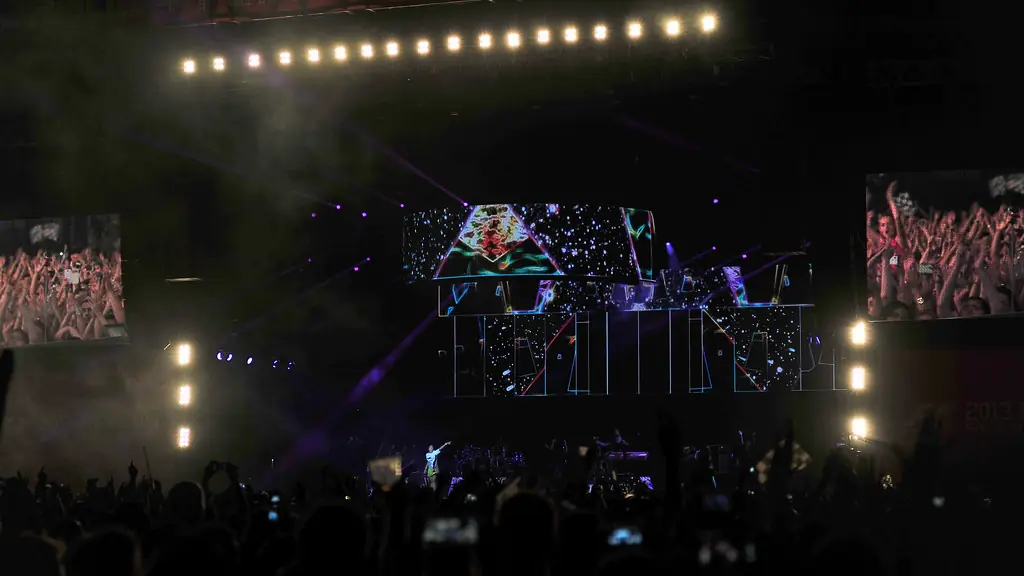
There is a particular quality to the light on the Côte d'Azur on the fourteenth of July. By eight in the evening it has softened from its midday ferocity into something almost amber, and the stone promenades hold the warmth of the day in their surfaces long after the sun has dropped behind the Estérel. In Antibes, the old ramparts face the sea, the market stalls have folded away, and the town settles into a different register — one that belongs to music and the open air.
On 14 July 2026, the Petite Pinède, tucked along the boulevard Edouard Baudoin, will host an evening with the Cyril Benhamou trio as part of the Jammin Summer Session series. The Petite Pinède is one of the satellite stages of Jazz à Juan, the storied festival that has drawn musicians to the Juan-les-Pins pine grove since 1960. Where the main festival commands the Grand Pinède, the Petite Pinède operates at a more intimate pitch — closer, less ceremonial, the kind of setting where you can watch a pianist's left hand without binoculars.
The Trio
The ensemble is compact and purposeful: Cyril Benhamou on piano, Pascal Blanc on electric bass, and Jérôme Mouriez on drums. Three musicians, no more. The piano-bass-drums format is one of jazz's most exacting configurations — there is nowhere to hide, and nothing to fill the silences except intention. Electric bass rather than the upright gives the rhythm section a particular texture: warmer in the low end, slightly more elastic in feel, capable of bridging acoustic jazz sensibility with something that carries better under open sky.
The piano trio is jazz at its most conversational — three voices, equal weight, no hierarchy except the music itself.
Benhamou, who works across the French jazz scene, brings the kind of fluency with the form that comes from years of playing rooms like this one: outdoor stages, festival contexts, audiences who have come to listen rather than to be seen listening. Blanc and Mouriez complete a unit that understands ensemble restraint — the art of leaving space, of not filling every bar.
July, Antibes, and the Logic of Playing Outside
Antibes in mid-July is unambiguously summer. The port is full, the market at the Cours Masséna has been running since early morning, and by evening the town has that particular festival-season energy — unhurried but alert. The Petite Pinède sits within the broader Jazz à Juan geography, which means even a single-evening concert carries the weight of the festival's six-decade history. This is a town that has heard Miles Davis and Ella Fitzgerald play under these same Mediterranean pines. That lineage does not inflate every performance, but it does set a tone.
The date is not incidental. Bastille Day is France's most publicly musical holiday — brass bands in village squares, fireworks over harbours, the national anthem sung with varying degrees of conviction in cafés from Calais to Menton. To spend that evening with a jazz trio at a pine-shaded stage in Antibes is to observe the holiday in a distinctly French Riviera key: less fanfare, more finesse.
For visitors staying along the coast — in Antibes itself, in Juan-les-Pins, or commuting from Nice or Cannes — the logistics are straightforward. The venue is on the boulevard Edouard Baudoin, accessible on foot from the Juan-les-Pins waterfront. Ticket and pricing information is available through the Jazz à Juan website at jazzajuan.com; given that the festival's events tend to draw both dedicated jazz audiences and curious summer visitors, checking availability in advance is sensible.
The evening will end, as these evenings do, with the last notes hanging briefly in the warm air before the applause. The pines will still be there. So will the sea.