There is a particular kind of quiet that settles over Fréjus on a Sunday afternoon in June. The market stalls have folded away, the harbour light turns honeyed, and the old stones of Forum Julii — Julius Caesar's naval colony, founded more than two thousand years ago — seem to exhale the week's heat. It is the right kind of afternoon to step inside a museum and let the Roman past do the talking.
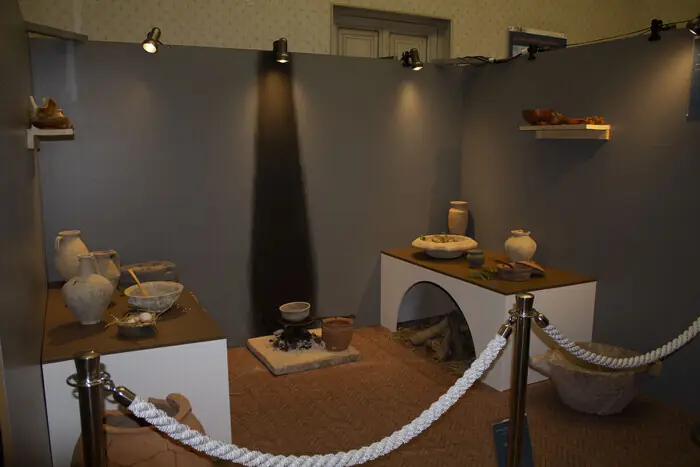
On Sunday 14 June 2026, the Musée Archéologique de Fréjus hosts a scientific workshop titled 'Restitution d'une cuisine romaine' — a practical reconstruction of a Roman kitchen. The session begins at 14h00 at the museum's address on Place du Docteur Calvini, and is organised in collaboration with the Centre Archéologique du Var.
Pots, Flames and the Logic of a Roman Meal
The premise is precise: through the physical evidence of tools, vessels and cooking methods, participants observe how a Roman domestic kitchen would have functioned. This is not theatrical re-enactment. The word restitution in French archaeology carries a specific weight — it means reconstruction grounded in material evidence, a discipline that asks what an object's shape, wear patterns and residues can tell us about the hands that used it. Watching that process unfold in real time, with specialists from the Centre Archéologique du Var guiding the demonstration, is something quite different from reading a museum label.
Roman culinary culture was more technically sophisticated than its reputation sometimes suggests. The testum, a domed terracotta lid placed over embers to bake bread; the patina, a shallow bronze pan that gave its name to an entire category of egg-and-herb dishes recorded by Apicius; the careful management of garum, the fermented fish sauce that functioned as the era's all-purpose seasoning — these were not crude improvisations but the tools of a codified kitchen tradition. Fréjus, as the Roman city of Forum Julii, was a place where legionaries, sailors, merchants and provincial administrators all ate, which means its archaeological record reflects a genuinely cosmopolitan appetite.
A Collection Built from the Ground Up
The museum itself earns its authority slowly, room by room. Its collections draw on excavations conducted in and around Fréjus since the nineteenth century, and the objects on display — sculpture, architectural ornament, mosaic fragments — map the range of artistic techniques the Romans deployed in a mid-sized provincial city. Several pieces illuminate specific sites excavated in the late twentieth century, research that has quietly reshaped the understanding of Forum Julii's urban history. The museum is not a grand institution competing for superlatives; it is a working archive of a particular place, and that specificity is precisely what makes an afternoon here rewarding.
For visitors who have walked the amphitheatre on the edge of town, or noticed the remains of the Roman aqueduct threading through the modern suburbs, the museum provides the interpretive framework that outdoor ruins rarely can. The kitchen workshop extends that logic further: from wall to table, from monument to meal.
'Observez la restitution d'une cuisine pour comprendre la préparation des repas à travers les outils, les récipients et les modes de cuisson.' — Centre Archéologique du Var
What to expect on the day:
- A demonstration-led session focused on Roman kitchen tools, cooking vessels and fire-based preparation methods
- Specialist input from the Centre Archéologique du Var
- The broader permanent collection of the Musée Archéologique as context before or after the workshop
Practical details — admission conditions and any registration requirements — are best confirmed directly via the museum's website at ville-frejus.fr before your visit, as the institution had not published ticketing information at the time of writing.
Fréjus in June sits at that agreeable point in the Provençal calendar when the Var coast is warm without being crowded, the rosé is cold and the light on old stone is precisely as good as advertised. An hour spent watching archaeologists reconstruct how someone cooked dinner two millennia ago is, in its quiet way, one of the more grounding things the region offers.