There is a particular quality to the light in Antibes at the end of June — low enough in the early evening to turn the limestone of the Château Grimaldi a deep amber, sharp enough at midday to carve hard shadows across the ramparts that have stood since the sixteenth century. It is the kind of light that makes you look twice at a wall. Which is, as it happens, precisely what Michel Verjux has spent four decades asking his audience to do.
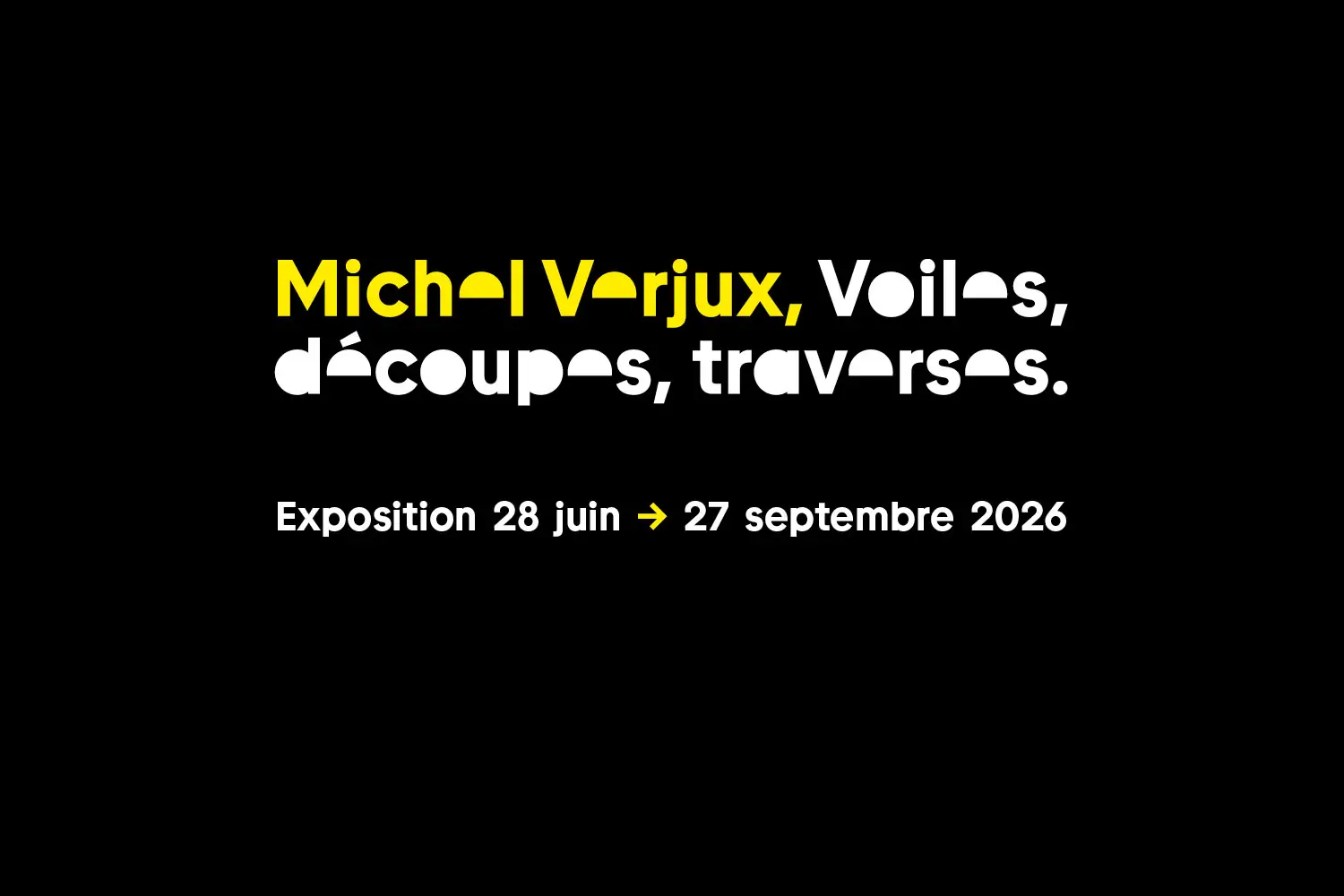
From 28 June to 27 September 2026, the Musée Picasso presents Voiles, découpes, traverses — an exhibition by the French artist Michel Verjux whose practice is built entirely around projected light. The title translates, roughly, as veils, cutouts, crossings: three words that describe both the physical behaviour of a light beam and something more elusive, the way illumination can simultaneously reveal a surface and transform it into something else entirely.
A Castle That Has Always Known How to Hold a Gaze
The Château Grimaldi occupies a promontory above the old port of Antibes, a position it has held in various forms since antiquity. The building that stands today dates largely from the sixteenth century, when it served as the residence of the Grimaldi lords of Antibes — the same dynasty that would later consolidate its grip on the neighbouring principality of Monaco. The château became municipal property in the nineteenth century, and in 1946 it offered its top-floor rooms to a Spanish painter who had just arrived on the Côte d'Azur with a new companion and a restless energy. Pablo Picasso worked there for six months, producing an extraordinary body of work — paintings, drawings, ceramics — before leaving the entire output to the city as a gift. The Musée Picasso opened in 1966, the first museum in the world dedicated to the artist during his lifetime.
To exhibit here is, therefore, to work in the shadow of one of the twentieth century's most charged creative episodes. Verjux, who was born in 1956 and has shown internationally for decades, is well suited to the task. His installations do not compete with a room's history; they read it. A beam of light trained on a vaulted ceiling or an ancient stone floor does not impose — it annotates.
'Découpes' — cutouts — is the word Verjux uses for the precise shapes his projectors carve from darkness, a vocabulary that feels entirely at home in a building Picasso once treated as a canvas.
What the Exhibition Offers
The exhibition runs across the summer season, aligning with the rhythm of the Côte d'Azur at its most inhabited. Verjux's work typically involves carefully positioned projectors that throw circles, ellipses, and cut geometric forms of white light onto architectural surfaces — floors, walls, ceilings, doorways. The effect is neither decorative nor theatrical in the conventional sense. It is more like being shown something you were already looking at but had not yet seen.
The Musée Picasso's permanent collection remains accessible alongside the exhibition, meaning that a visit can move between Picasso's sun-saturated Mediterranean paintings of 1946 and Verjux's cooler, more cerebral interventions — a contrast that, in a space this layered, feels productive rather than incongruous.
Antibes itself rewards the time around a museum visit. The old town's covered market on the Cours Masséna opens every morning except Monday; the ramparts offer a walk above the sea that has changed very little since the Grimaldis paced them. The Cap d'Antibes, a ten-minute drive south, remains one of the quieter headlands on this stretch of coast — pine trees, a lighthouse, and the kind of silence that feels earned rather than accidental.
The exhibition closes 27 September, which gives the summer and the early autumn — arguably the finest weeks on the Riviera, when the crowds thin and the sea retains its warmth. Visiting in late August or September means longer shadows by five o'clock, which is not a trivial consideration when the art in question is made of light. The château's stone will be cooling, the tourists fewer, and a projector beam on a sixteenth-century wall will read with the clarity it deserves.