There is a particular quality of light in Fréjus on a June morning — the kind that arrives early, slants low through stone pines, and turns every leaf edge to copper before the heat settles in. It is the sort of light that makes a garden feel like a secret kept just long enough.
On 6 and 7 June 2026, Villa Caryota at 192 avenue Aristide Briand opens its gates for a guided visit of its exotic garden — a two-hour walk through a private botanical collection that most people in the region have never seen. Attendance is capped at 50 people, which means the paths stay quiet and the guide's voice carries without effort.
A Garden Built Around the Palm
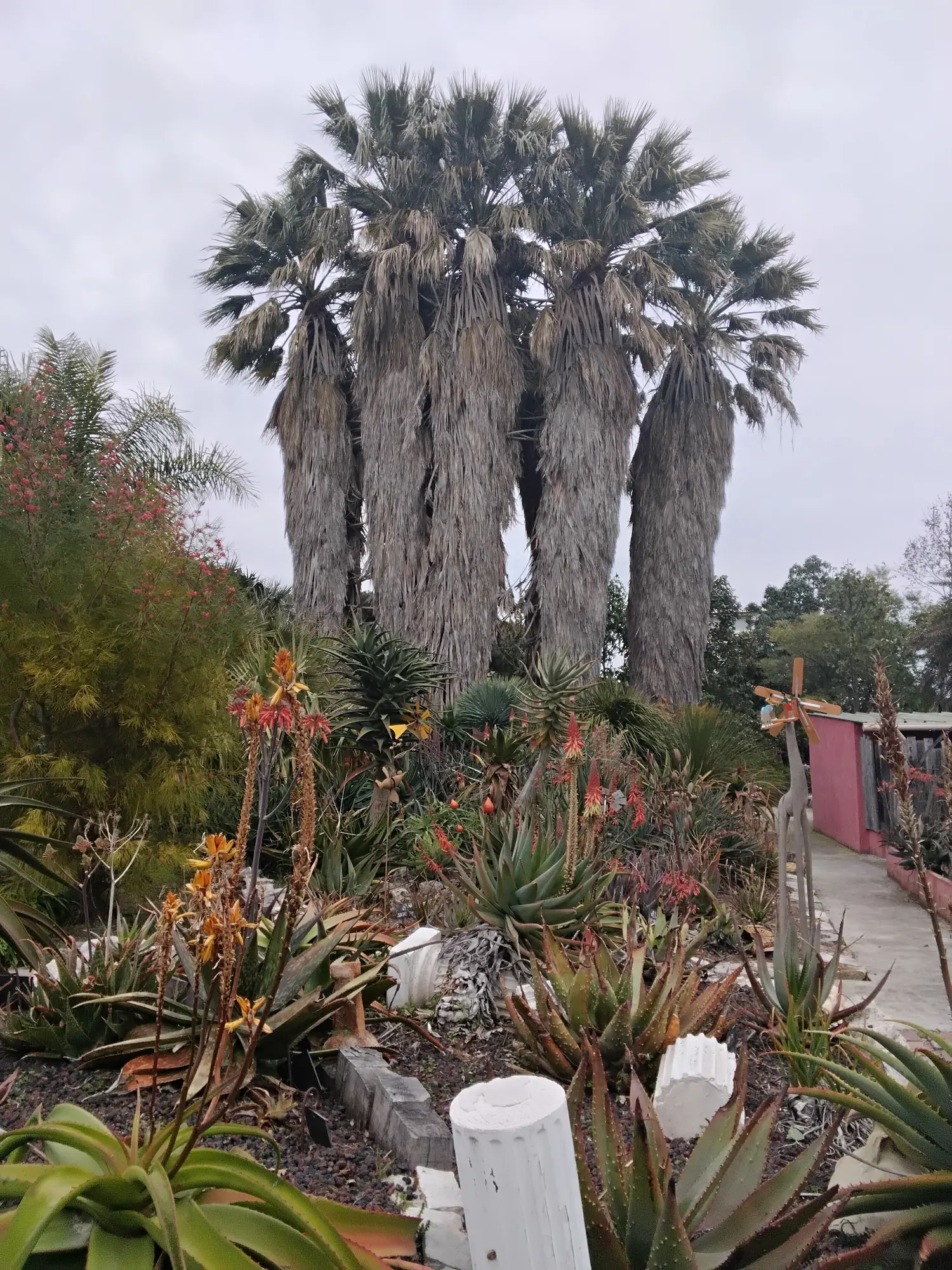
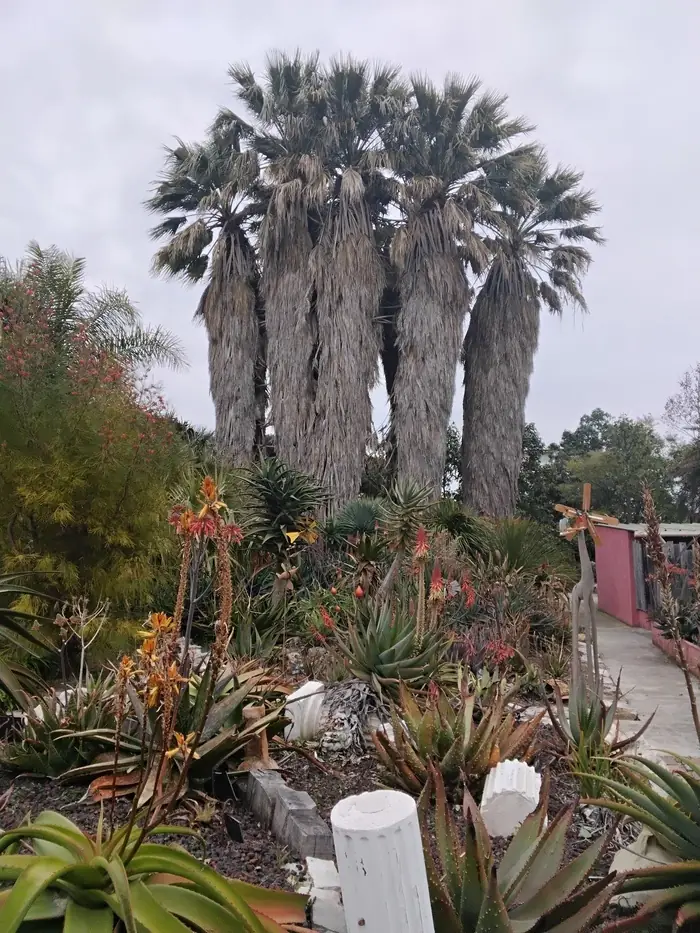
The garden holds some 250 palms alongside a broader collection of exceptional and rare plants. The name Caryota is itself a clue: it belongs to a genus of tropical palms known for their distinctive fishtail-shaped leaflets, native to Asia and the Pacific — plants that have no business thriving this far north of the equator, and yet do. That improbable flourishing is part of what makes the Var hinterland so quietly remarkable. Fréjus sits at the point where the Maures massif meets the coastal plain, sheltered from northern winds, warmed by a microclimate that has encouraged gardeners and collectors for generations to push the boundaries of what will grow here.
The French Riviera has a long tradition of ambitious private gardens — from the famous Jardin Exotique in Èze to the Villa Ephrussi de Rothschild in Saint-Jean-Cap-Ferrat — but the most interesting ones are often the least publicised. They are labours of private obsession, accumulated over decades, shaped by a single sensibility rather than a curatorial committee. Villa Caryota reads as exactly that kind of place: a garden where the collection has its own logic, its own internal geography.
What the Visit Offers
The format is straightforward: a guided botanical visit lasting two hours. Within that frame, guests can expect to move through a landscape that rewards close attention — the texture of a Bismarckia trunk, the architectural silhouette of a mature Washingtonia against a June sky, the way certain palms cluster and others stand apart like punctuation marks in a long sentence.
For visitors coming from outside the region, Fréjus itself adds a layer of interest. One of the oldest Roman cities on the French Mediterranean coast, it retains an amphitheatre, an aqueduct, and a cathedral baptistery that dates to the fifth century — all within walking distance of the town centre. The garden visit fits naturally into a day that moves between the archaeological and the botanical, the ancient and the quietly exotic.
"The most interesting gardens are often the least publicised — labours of private obsession, shaped by a single sensibility over decades."
Practical considerations are minimal. The visit runs on two consecutive days, morning slots beginning at 07:30 local time — an hour that, in early June, means you arrive before the Var sun reaches full intensity, when the garden is at its most composed and the air still carries some of the night's coolness. The group size of 50 is a genuine constraint, not a marketing figure, which means early registration matters.
There is no admission price listed, and no website for the venue — details that suggest this is an event organised through local cultural or horticultural networks rather than a commercial operation. That, too, is part of its character.
Fréjus is 37 kilometres from Saint-Raphaël and roughly an hour's drive from Nice along the A8. For those already on the coast, it is an easy morning excursion. For those planning around it, it is a reason to arrive the evening before and stay long enough to walk the Roman ruins in the afternoon heat, when the stones hold warmth like a living thing, and the palms at Villa Caryota are already casting long shadows across the garden they have spent years learning to fill.