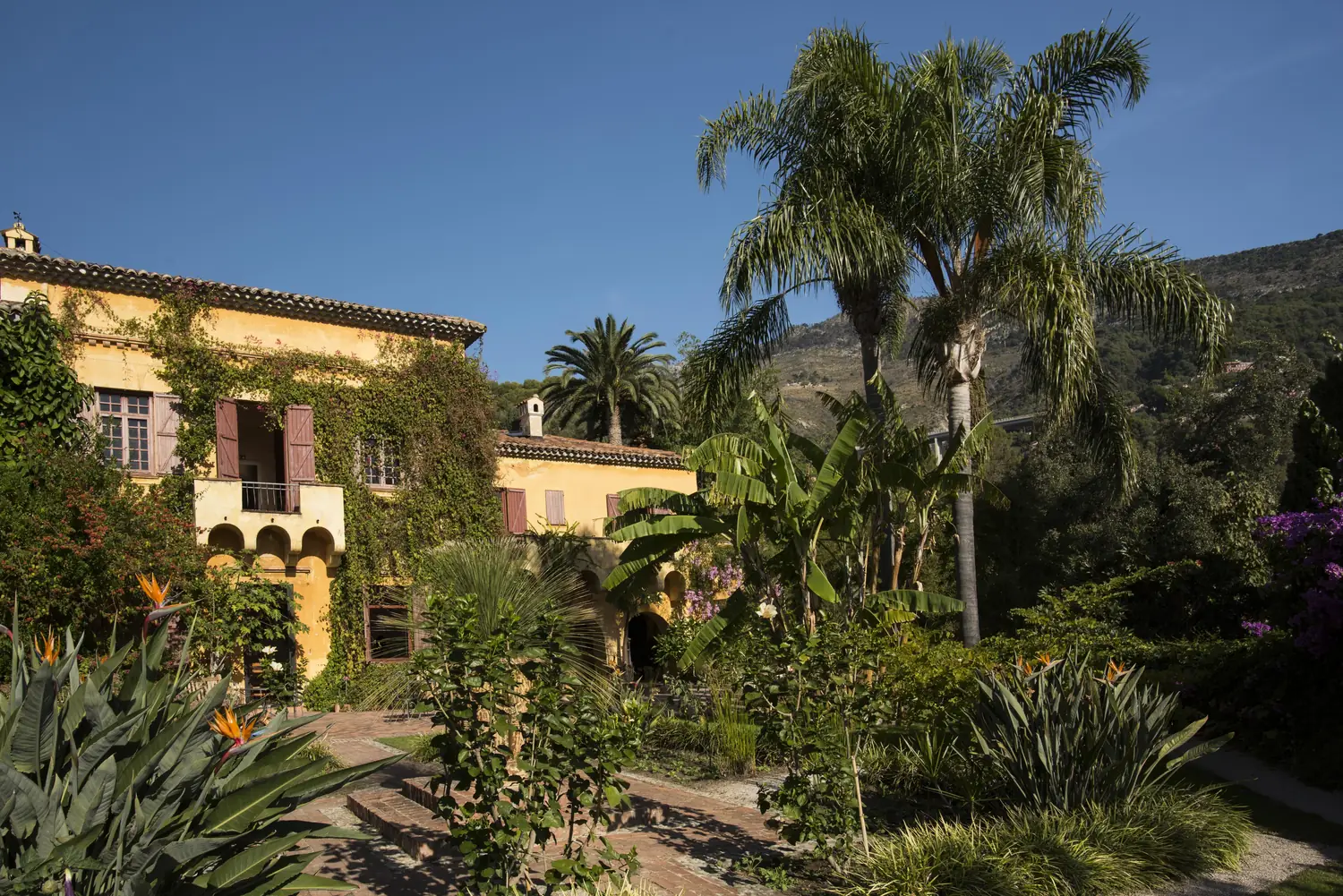
There is a particular quality of light in Menton in early June — softer than July's blaze, still carrying the tentative warmth of a season finding its footing. On avenue Saint-Jacques, a short climb from the seafront, the gate to the Jardin botanique du Val Rahmeh opens onto something that feels less like a garden and more like a considered argument: that the Mediterranean edge of France is, in botanical terms, one of the most improbable places on the continent.
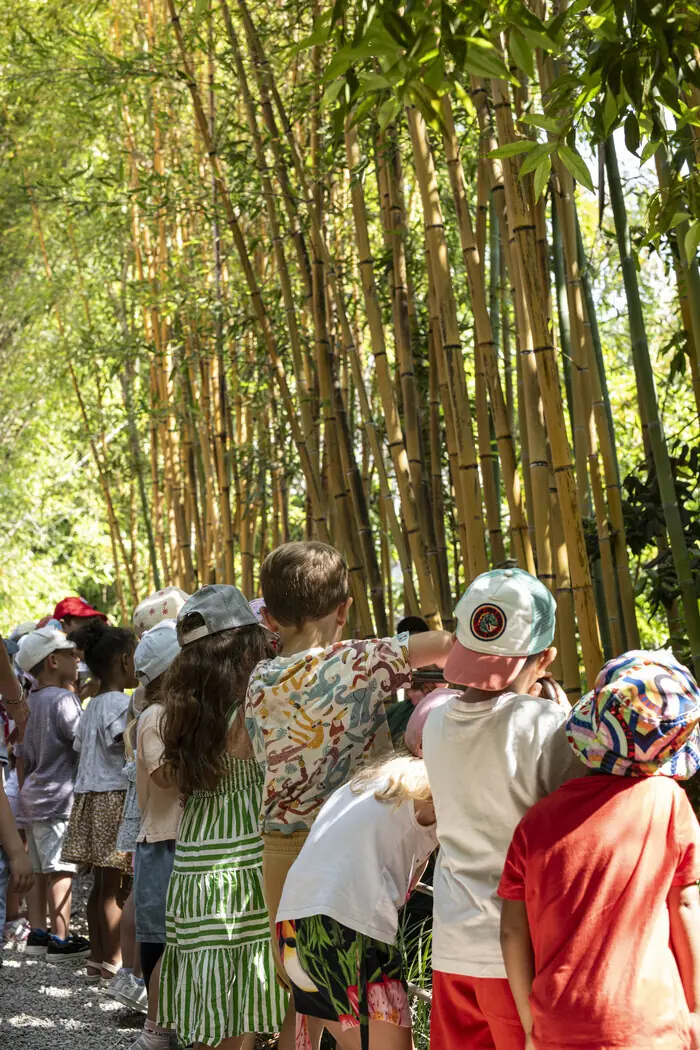
On Friday 5 June, the garden extends an open invitation to school groups, welcoming them free of charge and without prior reservation. The arrangement is straightforward: groups arrive, present themselves at the reception desk, collect their entry tickets, and the garden — all of it — becomes theirs for the morning. No guided script, no timed slots. A free visit, in the most literal sense.
Where the Alps Meet the Tropics
The garden's premise is geological before it is horticultural. Wedged between the Maritime Alps and the Ligurian Sea, Val Rahmeh occupies a microclimate that is, formally speaking, subtropical — the only one of its kind in France. The mountains to the north block cold continental air; the sea to the south moderates temperature year-round. The result is a place where over 1,800 species and varieties coexist in conditions that should, by rights, be impossible this far from the equator.
Collections here read like a inventory of the improbable: palms, bamboos, citrus varieties, tropical fruit trees. Some specimens belong to species that no longer exist in the wild. This is not incidental — Val Rahmeh is a site of the Muséum national d'Histoire naturelle, and conservation of threatened, rare, or wild-extinct plant species is one of its two formal scientific missions. The other is ethnobotany: the long, serious study of the relationships between plants and human cultures, a discipline that turns a walk through the garden into something closer to a conversation across centuries.
What a School Morning Here Actually Looks Like
For younger visitors arriving on a June Friday, the garden offers the kind of encounter that no classroom diagram can replicate. A banana plant at close range. The waxy architecture of a cycad. The smell of citrus in warm air. These are not decorative details — they are the point.
The free, unstructured format of the visit places the experience in the hands of teachers and students themselves. Groups move at their own pace through paths that wind between canopy and open beds, following their curiosity rather than a prescribed route. The garden's layout rewards this kind of wandering: there is always something unexpected around the next turn, whether a fruiting tree or a specimen labelled with a name that opens a geography lesson on its own.
Practical notes for groups planning the visit:
- No reservation is required; simply arrive and register at the welcome desk
- Entry is free for school groups on this date
- The garden is located at avenue Saint-Jacques, 06500 Menton
- Further information at jardinbotaniquevalrahmehmenton.fr
"L'ethnobotanique, ou l'étude des liens entre les plantes et les humains" — the garden's second mission, and perhaps its most quietly radical one.
Menton itself sets an appropriate stage. The easternmost town on the French Riviera, pressed against the Italian border, it has long attracted botanists, writers, and painters drawn by precisely the quality that makes Val Rahmeh possible: the sense that the rules of climate, here, are slightly different. Katherine Mansfield came for the air. The lemon groves that still define the town's identity are a product of the same microclimate that sustains the garden's tropical specimens.
For a school group stepping through the gate on a June morning, the garden offers something that botanical science and cultural history share: the understanding that the world, looked at closely enough, is considerably stranger and more generous than it first appears. That is not a bad lesson for a Friday in early summer.