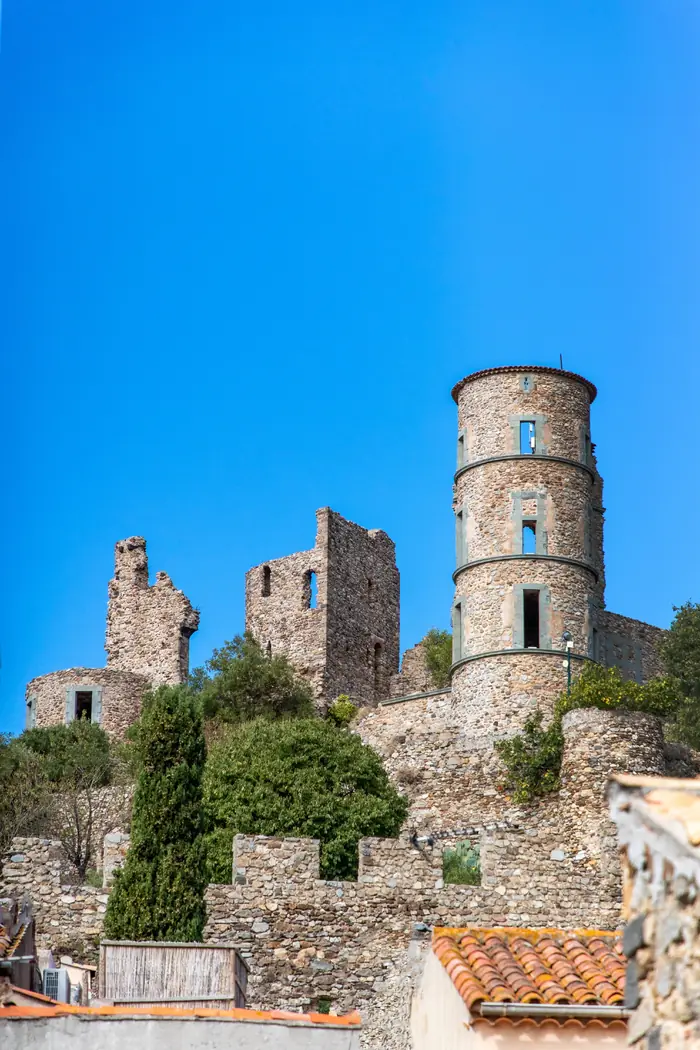
There is a particular quality to light in the Var in September — softer than July's assault, still warm enough to slow your step. The village of Grimaud sits above the Gulf of Saint-Tropez on a hillside that has been occupied, fortified, abandoned and reimagined across a thousand years of Mediterranean history. Its ruined castle crowns the ridge like punctuation at the end of a long sentence. Most visitors photograph it from below and move on. This autumn, the Musée du Patrimoine invites you to read the sentence in full.
Secrets from the Archive
From 18 to 20 September 2026, the Musée du Patrimoine de Grimaud hosts a special exhibition timed to the European Heritage Days — the annual continent-wide event that opens doors, archives and collections usually kept from public view. The exhibition, drawn entirely from archival documents and archaeological objects, traces the long evolution of the Château de Grimaud: its legends, its verified history, and the aspects that have remained largely invisible even to those who live in its shadow. Entry is free.
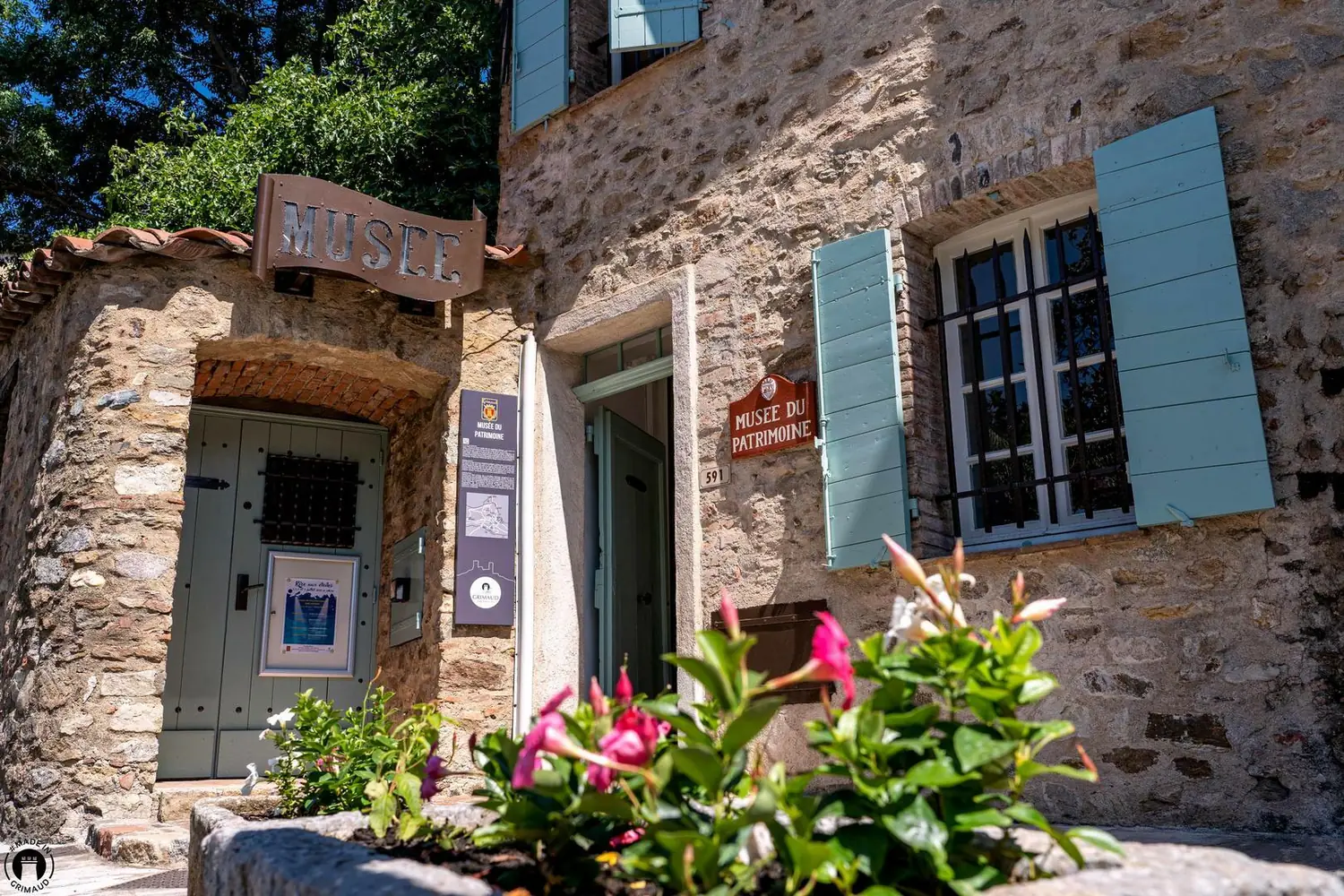
The museum itself occupies three distinct buildings in the village and has long pursued a particular kind of mission — collecting the memories of the people who built this place and holding them in trust for those who come after. It is a civic act as much as a cultural one. For this exhibition, that custodial instinct turns outward, toward the castle on the hill.
'Légendes et faits historiques' — the exhibition makes no effort to separate the two too cleanly, which is, in its way, the most honest approach to a medieval site.
The Château de Grimaud dates to the early medieval period, though its precise origins remain the subject of scholarly debate. The lords of Grimaud — the Grimaldi family among others across the centuries — shaped not only the fortress but the character of the entire Gulf of Saint-Tropez. The castle changed hands through inheritance, war and neglect; it was partially demolished, partially restored, and has existed in its current romantic ruin for long enough that the ruin itself has become the monument. What the exhibition promises is a view behind that picturesque surface: documents that record transactions, sieges, repairs; archaeological finds that speak to daily life within the walls.
The Village as Frame
Grimaud village — the 'village' designation distinguishing it from the coastal commune of Port Grimaud below — is one of those Provençal hilltowns that rewards the slow visitor. Its streets are narrow enough that two people with shopping bags must negotiate passage; its church of Saint-Michel dates to the eleventh century; its café terraces face inland rather than toward the sea, which gives them an unhurried quality that the coast abandoned decades ago. The Musée du Patrimoine sits at 744, route Nationale, a short walk from the medieval core.
The European Heritage Days, held each year across the third weekend of September, were established in the 1980s precisely to make places like this accessible — not as spectacles but as living records. Grimaud's contribution this year is focused and specific: one castle, its documents, its objects, its contradictions between myth and evidence.
What a visitor will encounter over the three days is the kind of exhibition that does not compete with the castle itself for drama. The documents are the drama — a deed of ownership, a plan drawn by a surveyor who has been dead for three centuries, a fragment of ceramic that places a human hand in a particular room at a particular moment. The Gulf of Saint-Tropez is saturated with glamour; Grimaud has always offered something quieter and more durable. This weekend, that offer is made explicit.