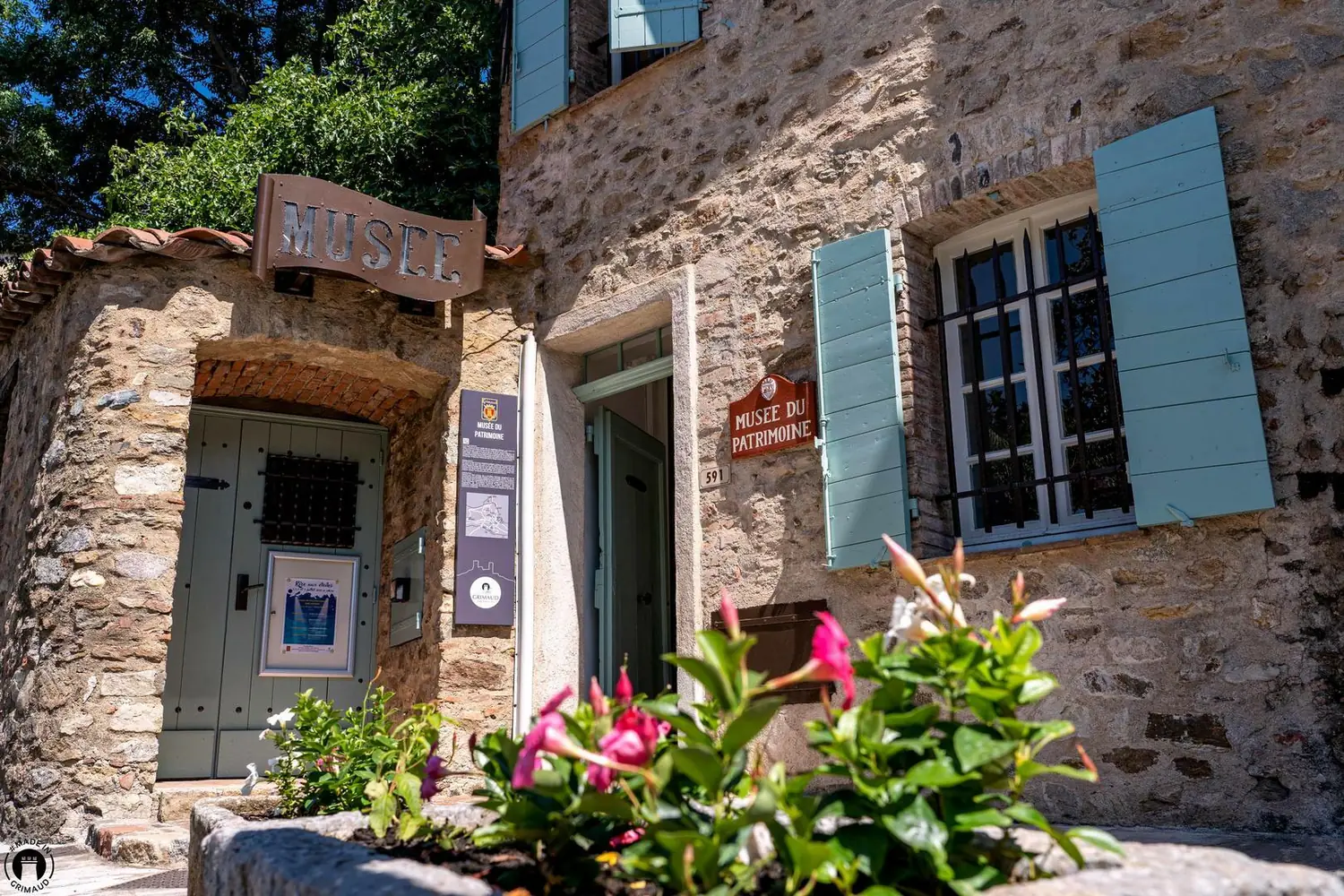
The village of Grimaud sits above the Gulf of Saint-Tropez in that particular Var light — sharp in the morning, amber by late afternoon — where stone walls absorb centuries quietly and give nothing back in a hurry. It is not a place that announces itself. The medieval château on the hill, the Romanesque church, the narrow lanes where cats outpace tourists: everything here has the quality of something that endured rather than performed. Which makes the Musée du Patrimoine, tucked along the Route Nationale at the edge of the village, an appropriate institution for this particular place.
On 18, 19 and 20 September 2026, the museum opens its doors free of charge as part of the Journées Européennes du Patrimoine — the annual European Heritage Days that each autumn unlock archives, private chapels, and working buildings across the continent. At 744, route Nationale, Grimaud village, admission is free across all three days.
A Museum Built from Three Lives
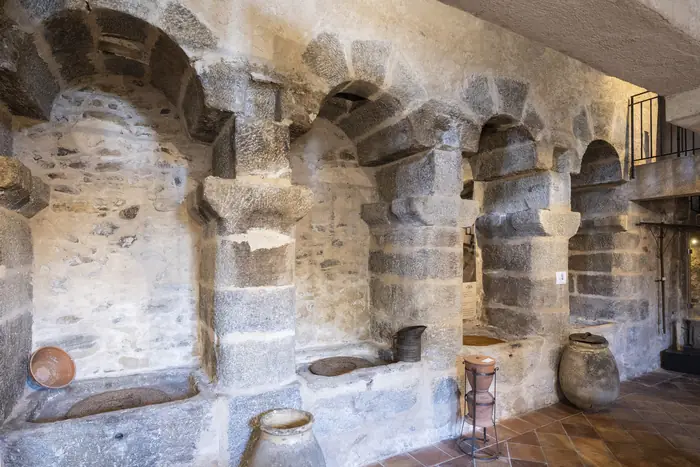
What makes this institution unusual is its architecture of purpose. The Musée du Patrimoine is not housed in a purpose-built gallery but assembled around three former working structures: a dwelling, a forge, and an olive oil mill. Each building is a kind of document — not the kind you file away, but the kind you can walk through, smell, and touch. The forge recalls the rhythm of a blacksmith's day; the mill the slow turning of stone on olive flesh in the weeks after harvest; the house the particular domestic arrangements of a Provençal family across generations. Together they form what the museum describes as a collection of objects 'reflecting practices that have partly disappeared' — a candid acknowledgement that preservation is also a form of mourning.
The Var has always been a region where material culture ran close to the land. Olive cultivation, ironwork, the rhythms of the agricultural calendar: these were not picturesque traditions but economic realities, and the objects that survive them carry that weight. The museum's stated aim — to share 'what is immutable in the heart of man' with those living today — is the kind of phrase that could tip into sentimentality, but the three-building structure keeps it grounded. You are not reading about a forge. You are standing in one.
The Château Comes Down from the Hill
This September, the free visit coincides with a special exhibition: Le château de Grimaud s'expose — the castle of Grimaud, on display. The ruined château above the village is one of the most recognisable silhouettes on the Maures coastline, visible from the gulf on clear days and from the village square at almost any angle. Its history is long and contested — Saracen origins, medieval lords, the Wars of Religion, gradual abandonment — but it has rarely been the subject of sustained institutional attention at ground level.
The exhibition brings that story into the museum's walls, offering visitors a way to connect the hilltop ruin they can see with the documented history they can now read and examine. It is, in the best sense, a conversation between two sites: the one you visit and the one that watches over you while you do.
'The museum collects the memories of the people of yesterday who built this beautiful village, in order to share with those of today what is immutable in the heart of man.'
For a visitor spending the third weekend of September on the Côte d'Azur, this is the kind of morning that earns its afternoon. The coast in mid-September still holds warmth — the summer crowds have thinned, the light is softer, the restaurants have their tables back — and Grimaud village, a ten-minute drive inland from Sainte-Maxime or Cogolin, sits at the right distance from the water to feel like a different register entirely. Free entry removes the last hesitation. Bring comfortable shoes for the village lanes. The château will be visible from the road on the way in, and considerably more legible by the time you leave.