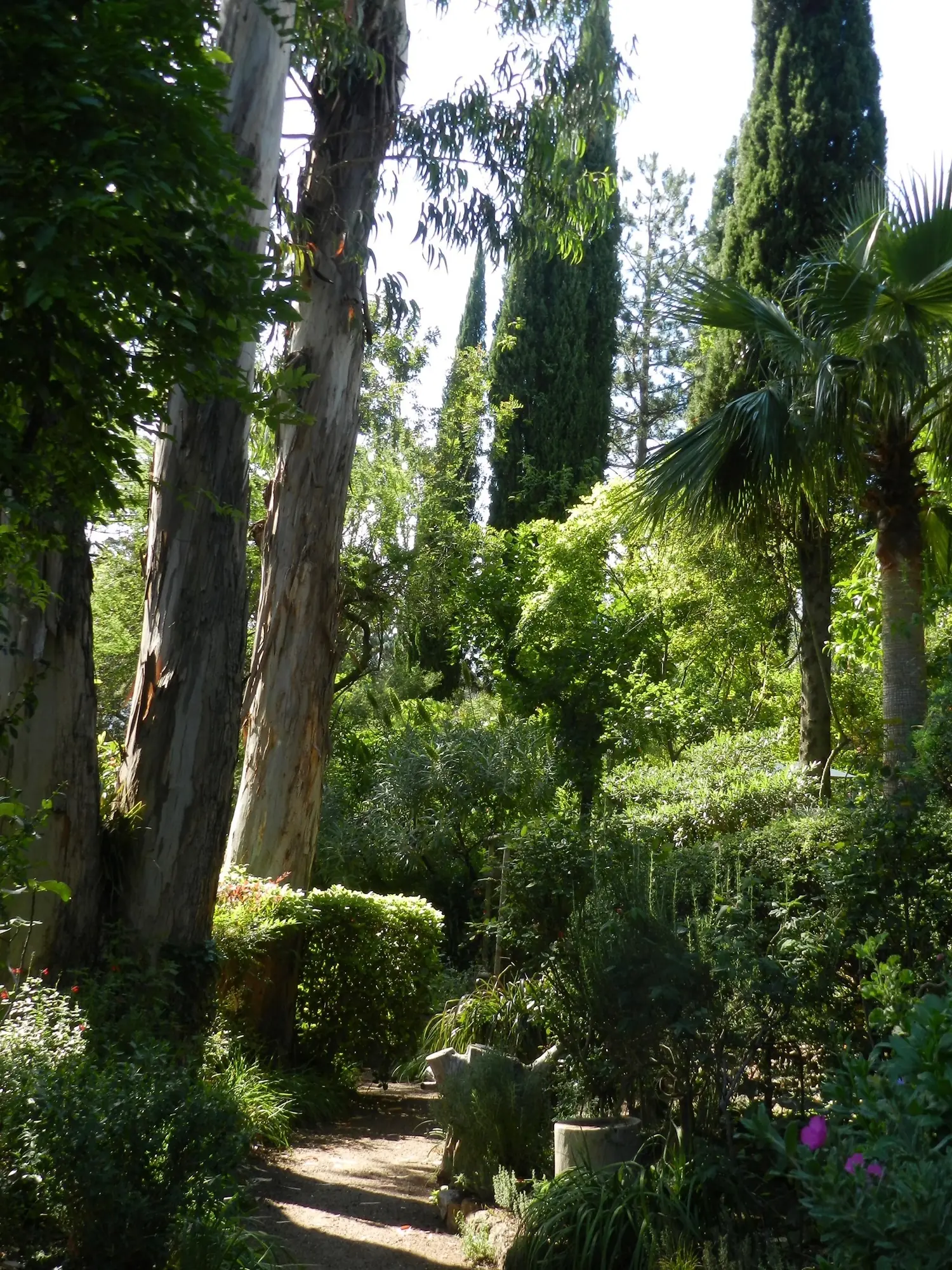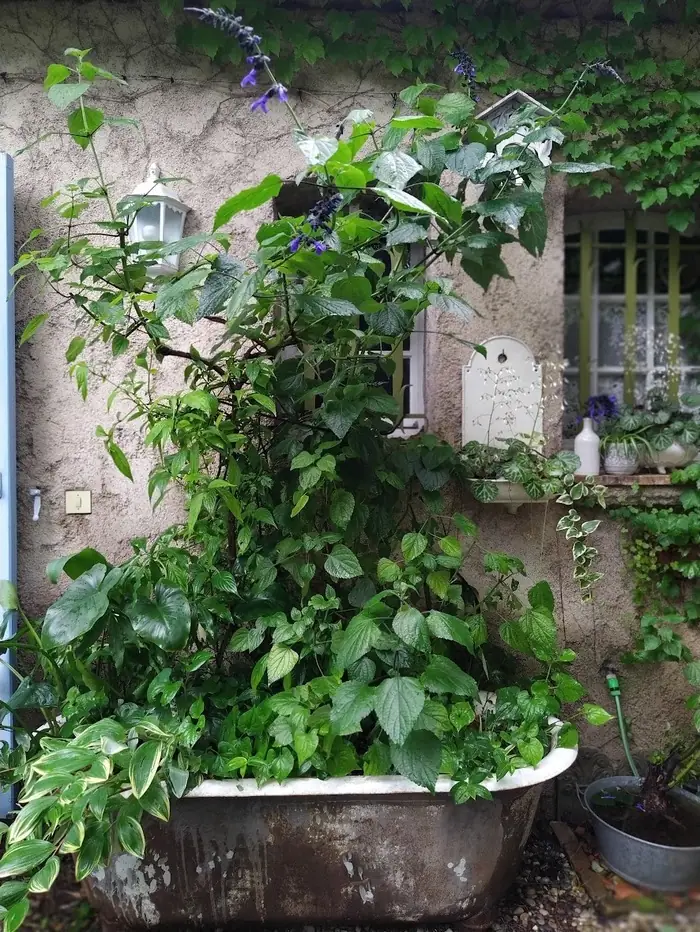
There is a particular quality of light in Fréjus on a June morning — low and lateral, threading through old stone and new foliage alike — that makes even the most familiar garden feel like somewhere you have never been before. At the Jardin Conservatoire La Pomme d'Ambre, that sensation is not incidental. It is, quietly, the whole point.
On 6 and 7 June 2026, the garden opens its gates for Jardin, points de vue et autres regards — a two-day open event built around a simple premise: bring whatever camera you have, look carefully, and photograph whatever surprises you. Admission is five euros, which goes directly to the association that manages the garden. The competition, such as it is, comes included.
A Garden as a Collection of Perspectives
La Pomme d'Ambre is not a decorative garden in the conventional Riviera sense. Its collection spans indigenous Mediterranean species, exotics introduced to the Côte d'Azur in the mid-nineteenth century, and old roses — varieties that predate the hybridised blooms that fill florists' shelves today. The garden also operates as a living ecosystem: waste is recycled, fauna is protected, and the site holds LPO refuge status, meaning it is formally recognised as a sanctuary for birds. What you encounter here, in other words, is not a curated backdrop but a layered environment with its own logic and its own residents.
The event's French title — points de vue et autres regards, viewpoints and other ways of seeing — reflects something the garden's gardener has long understood: that a space shaped by one person's sensibility becomes, for visitors, a series of compositions waiting to be discovered. Assemblages of form and colour, as the organisers put it, that are already there. The photographer's task is simply to find them.
C'est le regard qui compte — it is the gaze that matters, not the equipment.
Smartphones are as welcome as DSLRs. The event makes no distinction between amateur and experienced photographers, which is consistent with its spirit: this is an exercise in attention, not technique. Participants can submit their images on-site via a QR code, and those that move the organisers most will receive, in addition to a small surprise that every participant takes home, a crate of plants from the garden itself — collected by appointment.
What to Expect Over Two Days
The format is open visiting: no guided tours, no scheduled workshops, no structured itinerary. You arrive, pay your five euros, and the garden is yours. That freedom is worth taking seriously. La Pomme d'Ambre rewards slowness — the kind of looking that happens when you stop walking and start watching. A beetle crossing a stone path. The geometry of a climbing rose against rendered wall. The way Mediterranean light falls differently on a succulent than on a fern.
Selected photographs, with participants' agreement, will be compiled into a shared album and published on social media — a modest but genuine form of exhibition for images that might otherwise stay on a phone.
The practical details are straightforward: - Dates: Saturday 6 and Sunday 7 June 2026 - Hours: from 08:00 - Entry: €5, supporting the garden's managing association - Submission: via QR code on-site - Prize: a crate of garden plants, to be collected by appointment
Fréjus itself provides useful context for the visit. One of the oldest Roman settlements on the French Riviera — its amphitheatre, aqueduct, and episcopal complex date back nearly two millennia — the city sits between the Maures and Esterel massifs, close enough to the coast to feel the sea without being absorbed by it. It is a place with a habit of layering history quietly beneath the present, which makes a garden that holds nineteenth-century exotics alongside native species feel entirely at home here.
There is something honest about an event that asks only for your attention and charges five euros for the privilege. No spectacle is promised. What La Pomme d'Ambre offers instead is rarer on the Riviera in summer: a morning of genuine quiet, a garden that has been tended with care, and the small discipline of learning to see what is already in front of you.