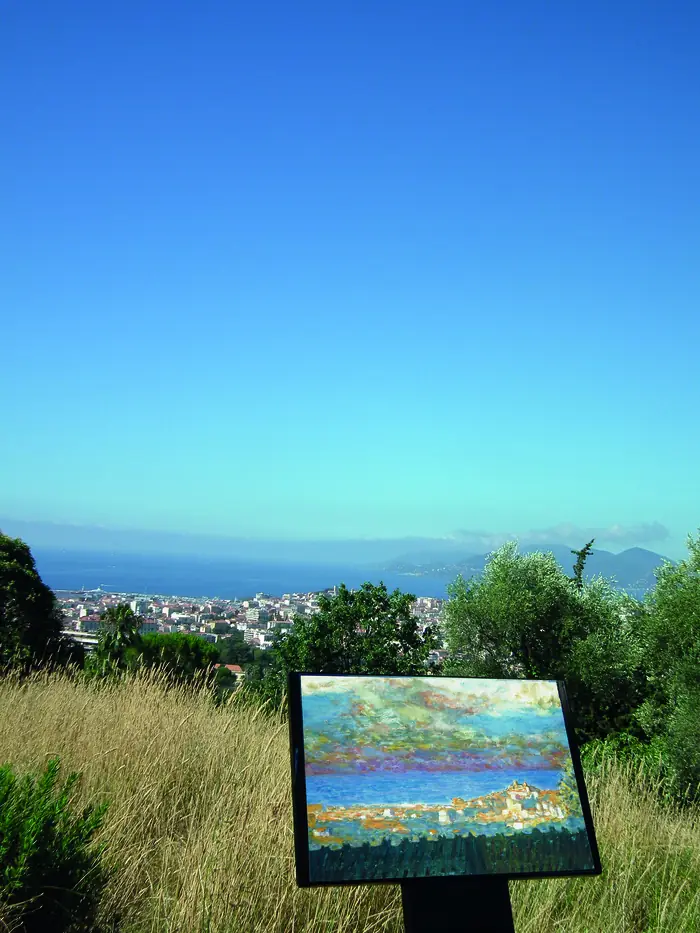
There is a particular quality to the light above Le Cannet on a June morning — the kind that arrives early, flattens briefly against the terracotta rooftops, then sharpens into something almost architectural. It is not difficult to understand why Pierre Bonnard, having spent years moving between Paris and the Normandy coast, eventually stopped moving altogether. He found this hillside town above Cannes in 1922, and for the last quarter-century of his life, its gardens, its terraced streets, and the way the Midi sun dissolved the boundary between colour and form became the raw material of his most celebrated work.
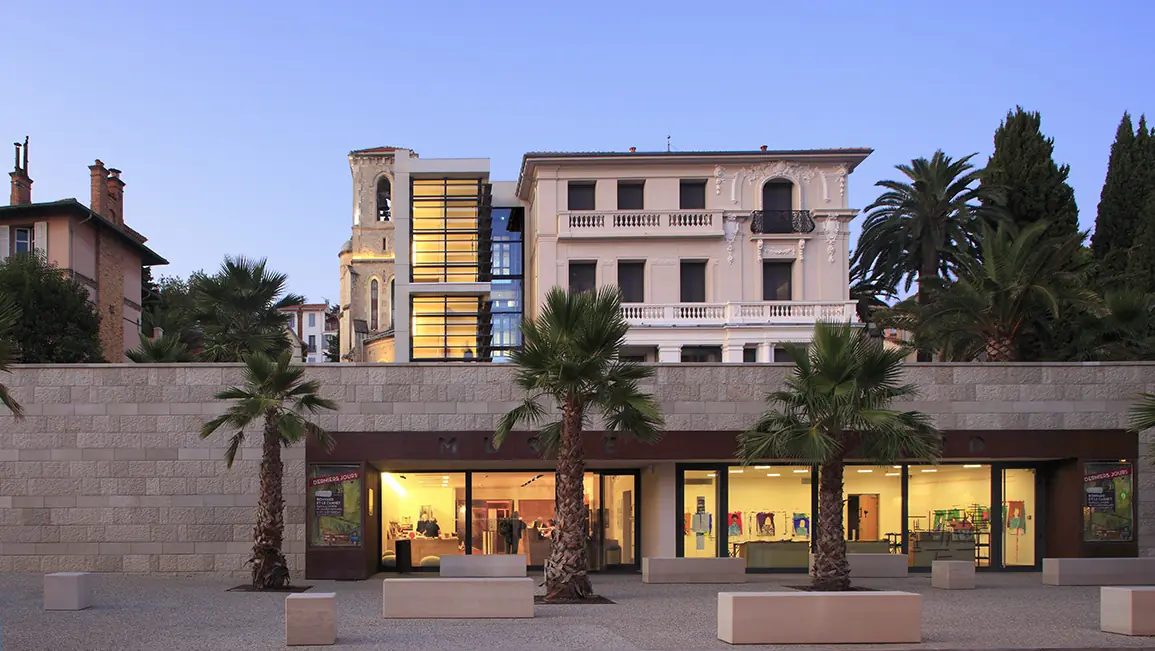
The Musée Bonnard — the only museum in the world dedicated entirely to the Post-Impressionist painter — sits on Boulevard Sadi Carnot in the heart of Le Cannet, a short climb from the coast road. On Friday 5 June 2026, from 10 o'clock in the morning, the museum invites visitors to take that same observational stance Bonnard himself cultivated: slow, attentive, and open to what the everyday landscape offers when you actually look at it.
Pencil, Colour, Lens
The session, priced at 5 euros and described as accessible to all, is built around a walking observation exercise through the museum's gardens. Participants will move through the space experimenting with several different ways of capturing the landscape: pencil sketches, colour work, photographic details, and what the programme calls regards sensibles — attentive, feeling-based looking — at the plant species that make up the garden. No single medium dominates. The point is to try each one, to notice how a pencil mark and a camera crop describe the same leaf differently, and to understand through practice rather than theory.
This is not a drawing class in the conventional sense. There are no grades, no prescribed outcomes. The structure follows the spirit of Bonnard's own research into colour, light, and the landscapes of daily life — an approach that was less about grand subjects than about the discipline of noticing what was already there.
"Le sujet est le prétexte à une explosion de couleur et de lumière" — the subject is the pretext for an explosion of colour and light.
The Weight of Twenty-Five Years
Bonnard first came to Le Cannet as a visitor, renting three successive villas before purchasing Le Bosquet — a house on the town's heights — in 1926. He withdrew there permanently in 1939 and remained until his death in 1947. During those twenty-five years, he produced more than three hundred works in and around the town: intimate interior scenes drawn from his private life, and landscapes in which the hills, the mimosa, the tiled rooftops, and the light of the Midi were not so much depicted as metabolised into colour. Art historians broadly agree that the Cannet period produced his finest paintings.
The museum's legitimacy rests precisely on this continuity between place and practice. When you stand in the garden here, you are standing in a landscape that shaped a specific body of work — not as a backdrop, but as an active force. The Croquis Découverte session makes that relationship available as a personal experience rather than a historical footnote.
What visitors can expect on the day is a morning spent outdoors, moving at a considered pace, with materials in hand and no particular pressure to produce a finished object. The garden offers a range of plant species to observe; the prompts will shift between media, encouraging participants to look at the same subject through different framings. Those who have never sketched before will find the format deliberately non-intimidating. Those who draw regularly may find the instruction to also photograph, and to look with that particular regard sensible the programme describes, usefully disorienting.
Le Cannet itself rewards the trip. The old village quarter — the vieux village — sits above the museum and retains much of the character Bonnard would have known: narrow lanes, painted facades, the occasional chapel. Cannes is fifteen minutes away by road, but the atmosphere here is markedly quieter, more residential, less performed. After a morning in the garden, the town's café terraces offer a natural place to sit with whatever you have made and consider it.
The session begins at 10h00 on 5 June. Entry is 5 euros. Full details and booking are available at museebonnard.fr.